home page
  • Mission
  • Spirituality
  • Way of Service
  • History

The Zen Peacemakers

A Force for Socially Engaged Spirituality

Inspiring | Teaching | Doing

The mission of the Zen Peacemakers is to alleviate suffering in the world by promoting actualized spiritual practice that includes meditation, study, direct social service and multi-faith cooperation.

The Zen Peacemakers

  • Inspiring Dharma students to practice meditation, study and service as a path to awakening;
  • Teaching practices of socially engaged Buddhism and socially engaged spirituality;
  • Doing direct service through Bearing Witness Retreats, Zen Houses, where our graduates manage holistic social service projects for disadvantaged people and communities, and Dharma work in prisons, hospice care, workforce development, job creation, HIV/AIDS supportive services and much more.

Spiritual Basis of the Zen Peacemakers

Summary

The Zen Peacemakers is a global network that integrates Zen practice, social action, interfaith work, and the arts.

The first of the Four Great Vows in Zen Buddhism is to save all sentient beings. That includes not just those coming into the meditation hall (zendo.) Those coming into American zendos now are by and large middle-class Caucasians, men and women. They are not disenfranchised minorities such as African-Americans or Hispanics. Nor are they the poor, the homeless, displaced war veterans, or ex-cons. There are exceptions, of course, but by and large it's hard to find members of America's vast sector of impoverished and disadvantaged families and individuals in American zendos. This is very unfortunate. The Dharma is immense and profound. Its teachings regarding suffering and an end to suffering have had immeasurable value for many millions of people across different countries, continents and cultures. Yet here, in this country, it is not spreading to those people with the greatest need.

What do we mean when we talk of spreading the teachings of the Dharma? Do we mean bringing more people into zendos? Do we mean having more people who formally affiliate themselves with Zen Buddhism? Or do we mean bringing the teachings of the Dharma to all walks of life, to all areas of endeavor, and making them relevant to all segments of the American population?

Bernie Glassman has been working with the latter premise all his life. He has served as abbot of three very large Zen centers and, through his successors, has founded a lineage of many teachers and many more Zen centers and groups. But his biggest challenge has been to teach the Dharma outside the meditation hall, in the worlds of business, social action, conflict resolution, and environmental stewardship.

This work calls for the creation of new upayas, or skillful means, that bring people to directly experience the interconnectedness of all life within the context of everyday behavior. It calls for new structures, new earth forms.

In social enterprise and the business world, Zen teachings promote the "triple bottom line:" profit, social transformation, and environmental stewardship. This approach is exemplified in the hugely successful Greyston Mandala, founded by Roshi Bernie Glassman, a network of for profit and not for profit ventures in Yonkers, NY that includes a for-profit $6 million gourmet bakery as well as not-for-profits building homes for homeless families and providing various support services, including a licensed day care center, as well as housing and medical services for people with HIV/AIDS.

The creation of a social enterprise itself calls for new kinds of corporate and organizational structures, big enough to connect and respond to the needs of both for-profits and not-for-profits. But that is only the first step. The project's most important goal is that all those we serve homeless families, ex-cons, low-income families will have some experience of the oneness of life as they participate in this new Mandala of activity. The Mandala Itself becomes the meditation hall, with a mission of not only providing homes , jobs, and support services, but also helping people realize the essence of the Dharma, which is that we're all One, all interconnected. An important means towards this end is the PathMaker Program, which is a requirement for every single program participant and all staff.

The PathMaker Program

The Zen Peacemakers unique approach to working with homelessness is based on "PathMaking," an idea developed from two key Buddhist concepts: mandala (wholeness) and path (transformation). A mandala represents integration and unity at a given point in time. The concept of path recognizes that individuals and communities evolve over time, and that the different aspects of the mandala - body, heart, mind, spirit and self - are linked in their development. The PathMaker Program will help people determine what their individual path is in life, not just in the world of work but also the world of relationship, family, community, and the arts. While it will utilize traditional human services processes, it will be based on the Zen Peacemakers' Three Tenets: Not Knowing, Bearing Witness, and Loving Action. These Tenets will be taught to program participants in very concrete forms, as a healthy, workable approach to dealing with the worlds of family, jobs, and community.

PathMaker Services help individuals gain greater clarity on their path in life. Using specifically-designed tools and measurement instruments, PathMaker Services help individuals focus on specific areas in their life where personal or professional development might help them move towards greater self efficacy.

The PathMaker Program approach joins community development with personal growth. The Sanskrit word mandala, meaning circle, indicates that PathMaker Services address the needs of the whole community and of the whole person within it. The PathMaker Program aims to create a healthy, vibrant and diverse community in which its clients, residents and staff are supported on paths to self-sufficiency.

PathMaker Program Details

The PathMaker Program utilizes a personal life path developmental model based on the ancient Buddhist Teaching of the Five Wisdom Energies. These five energies or fields comprise a mandala (circle of life) that graphically depicts the wholeness of life.

The five spheres of energy operating in a person's life are broken down into the following five categories and each category and its associated aspects are developed and enhanced trough training in the PathMaker Program:

1. Spirituality

The aspects highlighted in this sphere are:

  • Training in regard to the essential wisdom that is our true nature and how to tap into this innate wisdom that is called by many names: God, The Devine, True Self, Big Mind, Universal Self, Boundlessness, Groundlessness, and so forth (wisdom that is the essence of all life.)
  • Training to appreciate the uniqueness (differences, diversity) that characterizes the myriad forms of life and learning to tolerate, appreciate and celebrate the diversity that is present in all of life and step away from prejudice and hatred of those who are different from our selves.
  • Training to recognize the harmonious functioning of wisdom and compassion, sameness and difference and how to function effectively as a member of a community of people that supports and sustains one another.

2. Study and Learning

The aspects here are:

  • Life skills and education that each individual needs to acquire in order to realize their true potential and function in the world.
  • Communication skills and conflict resolution abilities, including the training of deep listening skills and the ability of each person to speak their own truth.
  • Training to learn the array of available services to low-income individuals and acquisition of problem solving and decision-making skills for understanding and negotiating the social service system that provides those services. Participants will actively learn to access services for which they are eligible and utilize those services to bootstrap their personal development along their individual life path.

3. Resources

The aspects are:

  • Training in personal ethics and how the consequences of our actions create the reality we live. Individuals will train to understand the dynamic of personal cause and effect, self-reliance and the importance of taking responsibility for one's own actions and the shaping of one's own future.
  • Training in personal health and care of the body including routine medical and dental care, nutrition, exercise, rest, relaxation, etc. Training in effective techniques for managing stress and the avoidance of the detrimental effects of using drugs and alcohol as stress reduction strategies.
  • Training in financial literacy and money management including budgeting, saving, spending and how each individual understands the use of money and its flow and place in their life.
  • Training in workforce preparedness skills in order to access job opportunities and the financial resources needed to become financially self-sustaining.

4. Relationships

The aspects are as follows:

  • Training in forming and maintaining relationships with others including learning to work with difficult emotions, distress tolerance skills, and the boundaries between self and other.
  • Training in human sexuality including an understanding of one's own sexual nature and how to express it without harming one's self or others.
  • Artistic and creative expression. In this aspect, individuals explore creative expression as a way to access and express their own innate energies in relationship to the expression of self and others.

5. Service

The aspects highlighted here are:

  • Training in right livelihood skills including filling out job applications, job interviewing skills, effective work behavior in the work place, etc, and seeing how the work one does concretely serves other people and oneself.
  • Training in the importance of strong citizenship skills such as volunteerism, advocacy, community involvement, environmental protection, etc.
  • Training to practice and appreciate everyday acts of kindness, seeing the countless moments for generosity and tapping in to one's own experiences of suffering as a source of compassion from which to assist others struggling on the path.

Core Values

Guided by a belief in the oneness of life, the ocean of wisdom/ compassion expressed through the diversity of life and the harmonious interdependence of all creations, program participants will learn the three tenets of the Zen Peacemakers: not knowing, bearing witness and loving action. Via the 10 practices and five commitments of the Zen Peacemakers, program participants will strive to actualize the perfection of wisdom as outlined below:

Generosity: Learning to be kind and giving to oneself and others as well as forgiving of oneself and others.

Discipline: Learning to follow a life path that is guided by a set of functional life values (the 10 practices of the Zen Peacemakers) that brings peace, joy and happiness to oneself and others.

Forbearance: Learning to embrace the totality of one's experience including all of the ups and downs that characterize the processes that lead to maturity.

Enthusiasm: Learning to make a joyous effort in the process of embracing life's challenges.

Awareness: Learning to look deeply into oneself and one's world to see the perfection in each moment and all things.

Wisdom: Relying on the truth of one's experience as an important teacher for one's life journey.

Compassion: Learning to embrace the wholeness of life and express empathy and support for all those who suffer including oneself.

Aspiration: Seeing one's life path clearly and setting goals that are aligned with one's core values and beliefs.

Empowerment: Learning to take full responsibility for one's own life.

Knowledge: Learning what is most needed in each moment and taking the necessary action required by the situation at hand.

Engaged Spirituality

A major focus of this activity is to develop program participants who have a basic commitment to the practice of engaged spirituality for the betterment of all life. Accordingly, program participants shall have the opportunity to participate in the many programs available through the Maezumi Institute and the Zen Peacemakers Mother House programs. Individuals and families who have taken up the PathMaker journey will have opportunities to participate in relevant workshops, retreats and performances that are offered via the Maezumi Institute's programming in the areas of Zen study; peacemaking and social action, social enterprise, multi-faith study, as well as programs offered through the Maezumi Institute Council for the Arts.

Click here to see mural drawn by folks served by Greyston.

"When you realize the wholeness and interdependence of life, you have to take care of everyone, and to do that, you have to work with every ingredient of life." - Roshi Bernie Glassman, Founder


bernie
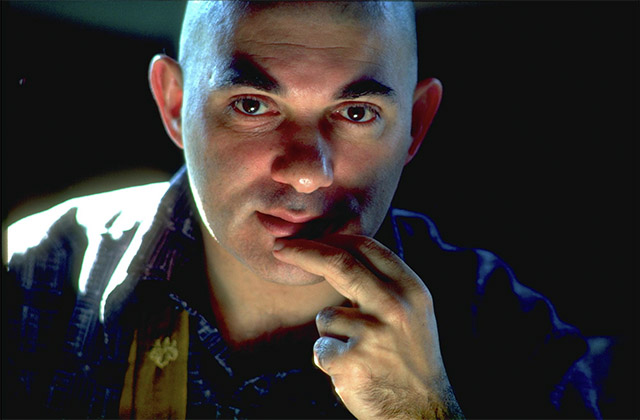
Roshi Bernie Glassman

Our founder and Spiritual Director, Roshi Bernie Glassman, is internationally recognized as one of the pioneers and guiding spirits of socially engaged Buddhism. He has based his life's work on a commitment to service, born from his practice and mastery of the 2500-year-old tradition of Buddhist compassion and wisdom.

Bernie created the Zen Peacemakers in 1980 to embody this commitment in a global network that integrates Zen practice, social service, and interfaith work to bring the experience of wholeness and interdependence into the context of daily life. Zen Peacemakers practice socially engaged Buddhism to transform individuals and communities, and have responded to some of the most difficult problems of our time - poverty, AIDS, homelessness, and a lack of skills necessary for employment.

zen study
Zen Study

The training of Zen Peacemakers is grounded in traditional Zen practice - meditation, retreats, liturgy, personal study-relationships with empowered teachers and the intimate recognition of mastery, which maintains the integrity of Zen lineages.

bernie bubbles
Roshi Bernie in Chiapas


What characterizes the socially engaged practices of Zen Peacemakers is how they extend Dharma from the meditation hall to the worlds of business, social service, conflict resolution, and environmental stewardship. This work has engendered new models of practice, especially to address the needs of individuals and communities in disadvantaged areas. The Zen Peacemakers' way illuminates all life as a boundless meditation hall.

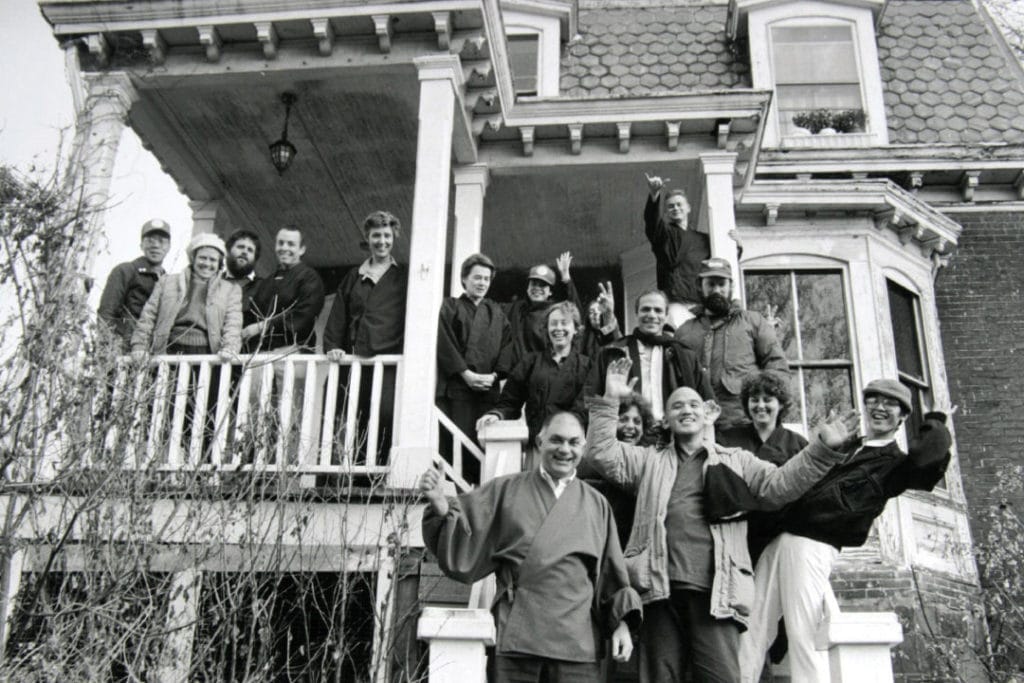
Today, the Zen Peacemakers have a 34-acre campus in Montague, Massachusetts, as well as 54 affiliate centers, communities and circles worldwide.

The campus serves as a Mother House for the affiliate centers as well as the site for the study/training center of the Zen Peacemakers, the Maezumi Institute.

maezumi_talking_bernie
Maezumi Roshi and Sensei Bernie (Riverdale 1981)

Roshi Bernie Glassman worked with his teacher, Taizan Maezumi Roshi from 1963 to 1980, to build one of the most respected Zen training centers in the United States, the Zen Center of Los Angeles. When Bernie left, ZCLA comprised an entire city block in downtown Los Angeles and owned a second site, the Mountain Center, in Idyllwild, CA.

bernie,jishu_aids-opening.jpg
Roshis Bernie and Jishu at Opening Ceremony for Greyston AIDS facility. (Yonkers 1997)

Roshi Bernie Glassman founded the Zen Peacemakers in 1980 to expand Zen practice into larger spheres of influence including, social service, business and ecology. From this effort grew the Greyston Foundation, a holistic network of community development companies and not-for-profits working in the inner city of Yonkers, New York. The mission set for Greyston was to free individuals from the cycle of poverty and public dependence. Bernie Roshi with Maezumi Roshi in Riverdal.

Today Greyston provides facilities and supportive services that include permanent housing for formerly homeless families, a childcare center, AIDS-related medical services, housing, job training,
and jobs.

One of the first "welfare to work" programs in the country, Greyston has an annual operating and capital budget of over $20 million, and has received numerous government grants at the federal, state, and local levels.

paris_soup_kitchen2.jpg
Yuri Maezumi in French Peacemakers Soup Kitchen (Paris 2006)

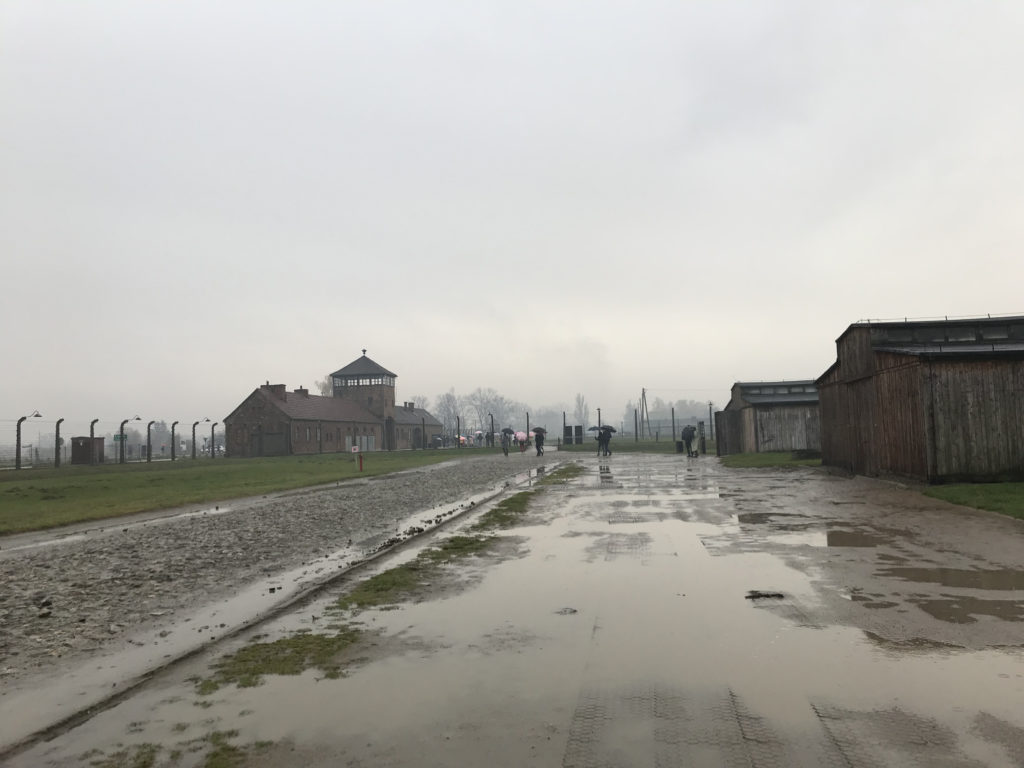
From 1996 to 2004, Zen Peacemakers initiated social services and peacemaking activities around the world. Zen Peacemakers fed, and continue to feed, hundreds of immigrants at a Paris soup kitchen every week. They supported nonviolence efforts in Palestine and brought Israelis and Palestinians together in Israel for peaceful coexistence projects. Peacemakers Poland established Nonviolent Communications Training and Practice in the public school system throughout the country and opened an AIDS hospice.

Presently in the United States, Zen Peacemakers work for prison reform, provide hospice care, and offer a broad range of services to impoverished individuals, families and communities in our inner cities and rural areas.